

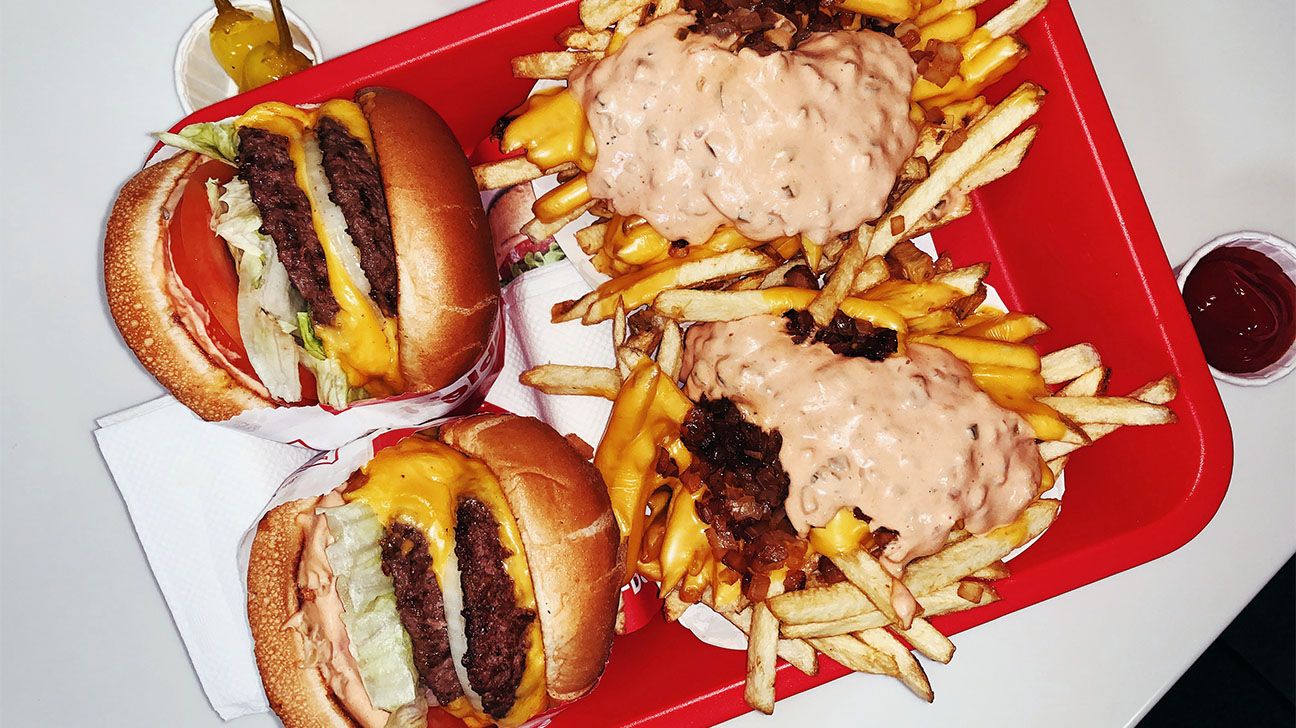
- One new study found that highly engineered consumables are potentially just as habit-forming as cigarettes.
- The study authors discovered that these foods are formulated to boost pleasure and hasten the delivery of rewarding components.
- The habit-forming quality of such products means they drive uncontrollable eating and hinder appetite regulation.
- The researchers recommend that ultraprocessed foods could be governed by regulations similar to those for cigarettes.
Right now, there is not a agreed-upon definition of ultraprocessed foods. Certain experts classify them as products that include ingredients you are unlikely to have in a home kitchen, such as stabilizers and additives.
A lot of dietitians use the NOVA classification to identify UPFs. This describes products that are “combinations of ingredients, primarily of exclusive industrial use, often made by a series of factory processes and processes.”
One new paper released by The Millbank Quarterly proposed that UPFs are potentially just as habit-forming as tobacco products.
“It is my view with this research, as ultra-processed foods are specifically engineered to be incredibly tempting to the majority of people,” commented a bariatric surgeon independent from the study.
Data from last year calculates that over 73% of the food supply in the United States is classified as ultraprocessed.
“Cigarettes and UPFs are not simply whole foods but carefully designed delivery systems created purposely to maximize biological and psychological reinforcement and habitual overuse,” explained the review’s scientists.
Can Ultraprocessed Foods Habit-Forming?
The paper integrated findings from addiction, public health history, and nutrition in order to identify textural and compositional characteristics that boost the reinforcing potential of both cigarettes and ultraprocessed foods.
“It’s not all people is ‘addicted’’ to these foods, but for a meaningful minority, they elicit typical addiction-like patterns: intense desires, loss of control, and continued use even with harmful consequences,” said a preventive cardiology dietitian.
“These foods are purposely formulated with processed carbohydrates, extra oils, sodium, and taste additives to optimize pleasure and ongoing intake, and the food sector employs aggressive marketing tactics, especially targeting young people,” she stated.
Scientists examined several important factors:
- rapid absorption
- pleasure-based design, or designing foods to be irresistibly good
- perfecting the amount
- environmental ubiquity
- deceptive reformulation, or “health washing”
They found that, similar to cigarettes, UPFs are fine-tuned to provide the optimal amount of sweetness.
“Processed carbs trigger dopamine production through the vagus nerve, whereas fats do so through fat detection in the gut,” the authors wrote.
“… UPFs with significant amounts of refined carbohydrates and added fats are some of the most strongly reinforcing substances in the contemporary food supply. It is key that this processed carb and fat combination is virtually absent in nature.”
The way these foods rapidly introduce “pleasure-inducing” chemicals to the mind makes them potentially addictive, similarly to cigarettes.
The review explained that while cigarettes are designed to provide the addictive compound quickly, UPFs are engineered to rapidly digest and absorb, as they usually have little to no dietary fiber. This allows for the body to metabolize fat and sugar more quickly.
Authors also note that UPFs give deliberate intense tastes that dissipate rapidly and mouthfeels that dissolve easily. This collectively works to deliver increased pleasure signals and prompts individuals to eat more.
‘Wellness Branding’ in Tobacco, UPFs
According to the analysis, both the cigarette and food industries have long used a tactic called “wellness branding.”
This refers to when goods are advertised and altered to create an illusion of less danger while preserving the essential addictive properties.
This tactic in the tobacco industry gained traction in the 1950s with the introduction of filters on cigarettes.
They were sold as protective innovations that would catch harmful substances before they reached the lungs. Actually, these tips provide minimal meaningful protection.
However, people typically adjusted by taking bigger puffs or smoking more frequently, which negated any reduction in harmful intake.
Food manufacturers has taken a comparable approach. It uses packaging claims such as “low fat” or “no sugar added” to promote UPFs.
However, these foods still contain the same highly reinforcing ingredient combinations. The issue is that these changes offer a surface-level impression of wellness while the product’s addictive structure and metabolic harms remain intact.
Ought UPFs Face Controls?
The authors stated at the conclusion of their review that nourishment and tobacco are fundamentally different.
Still, they warned that some UPFs function like engineered consumables rather than actual food. They proposed that public health policy should reflect this distinction.
“Tobacco offers a warning, and smoking regulations provides a model of hope,” the authors wrote.
Because of regulations, smoking rates in the United States have fallen and have “altered public perception of tobacco and diminished trust in the industry.”
“I believe increased awareness regarding the harmful effects of ultra-processed foods is crucial to lower public intake and enhance population wellness. The strategies employed to curb tobacco consumption have been successful and could be a helpful blueprint for ultra-processed foods as well,” said one expert.
“It is not my view ultraprocessed foods ought to be regulated precisely like cigarettes, but they certainly deserve more robust, smoking policy-based measures: advertising limits, obvious front-of-package labeling, tighter rules on health claims, and limits in schools or medical facilities,” added another nutrition professional.
The authors reminded people that lightly altered and whole foods have sustained our well-being for thousands of years.


